


26 November, 2026
By User
The journey towards motherhood is often filled with hope, excitement, and dreams of holding a healthy baby. However, for some women, pregnancy becomes an emotionally challenging experience marked by repeated positive pregnancy tests, unexpected bleeding, pregnancy loss, grief, and the difficult decision to try again. Recurrent pregnancy loss is not just a medical concern; it can also affect a woman’s emotional well-being, relationships, confidence, and mental health.
The cycle of conceiving, experiencing bleeding, losing a pregnancy, and trying again can leave couples feeling confused, anxious, and helpless. Many women begin questioning their bodies and wondering whether they will ever experience a successful pregnancy. However, recurrent pregnancy loss does not necessarily mean that a woman cannot have a healthy baby.
With appropriate medical evaluation, identification of possible underlying causes, personalized treatment, and careful pregnancy monitoring, many women with a history of recurrent miscarriages can achieve successful pregnancies.
Consulting the Best Gynaecologist in North Kolkata can help women understand their condition, explore available treatment options, and receive the medical support needed throughout their reproductive journey.

Recurrent pregnancy loss refers to experiencing two or more pregnancy losses. Medical definitions and evaluation criteria may vary depending on clinical guidelines and individual circumstances.
A miscarriage can occur because of several factors, including chromosomal abnormalities, hormonal imbalances, uterine abnormalities, autoimmune conditions, and certain underlying medical problems. In many cases, the exact cause may remain unexplained even after medical investigations.
Repeated pregnancy loss requires more than simply trying again. It is important to understand the possible reasons behind the miscarriages and develop an appropriate treatment and monitoring plan.
A specialist experienced in Recurrent Miscarriages in North Kolkata can help couples navigate the diagnostic process and understand their options.
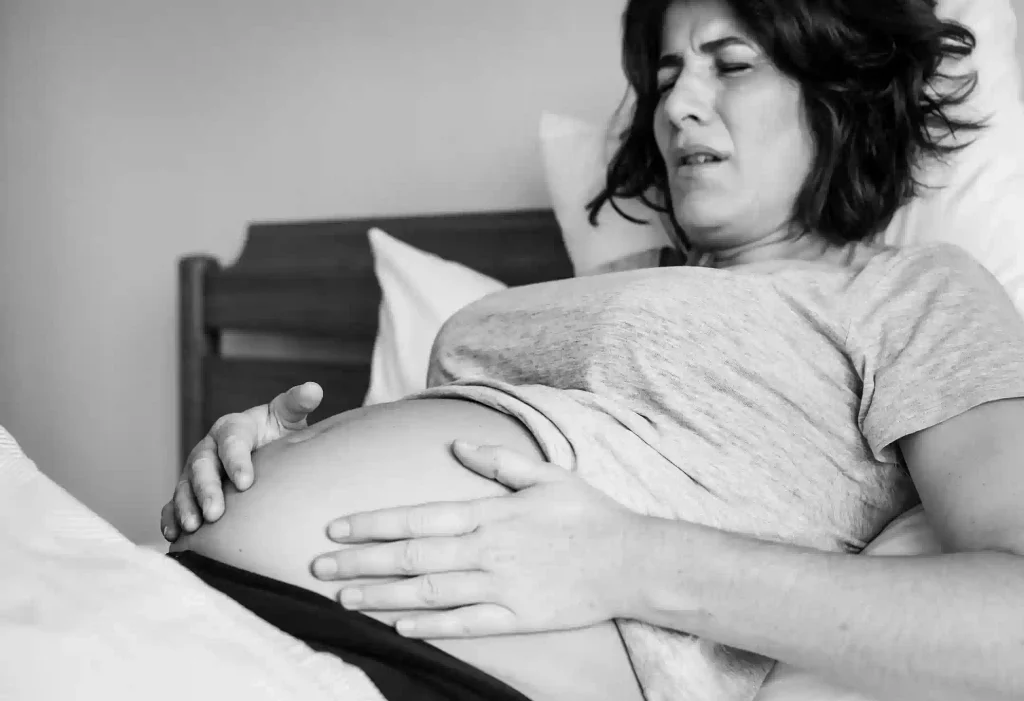
Consider an illustrative patient journey that reflects the experiences of many women facing recurrent pregnancy loss.
A woman in her early thirties discovers that she is pregnant. After months of hoping and planning, the positive pregnancy test brings happiness to the entire family. However, a few weeks later, she experiences vaginal bleeding and abdominal discomfort. Medical evaluation confirms an early pregnancy loss.
Although emotionally painful, she believes that the next pregnancy will be different. After some time, she conceives again. Unfortunately, the same experience repeats. Another positive pregnancy test is followed by bleeding, medical consultations, and another miscarriage.
With every loss, the emotional burden becomes heavier. The excitement of pregnancy gradually gets replaced by fear and uncertainty. Even after conceiving again, she struggles to feel happy because she is constantly worried about bleeding or losing the pregnancy.
This cycle of conceiving, bleeding, grieving, and repeating can become physically exhausting and emotionally overwhelming.
After repeated pregnancy losses, the couple decides to seek specialized gynaecological care instead of continuing to try without understanding the possible causes.
The doctor reviews their medical history, previous pregnancy records, ultrasound reports, and relevant investigations. Depending on the clinical history, further evaluation may include:
The purpose of these investigations is to identify potentially treatable conditions and develop an individualized care plan.
Once the evaluation is complete, treatment is planned according to the identified findings. Some women may require management of thyroid disorders, diabetes, or other medical conditions. Others may need treatment for specific uterine abnormalities or specialist-directed care for antiphospholipid syndrome.
Not every woman needs the same medication or treatment. For example, aspirin, heparin, progesterone, and other medicines should only be used when clinically indicated.
The couple also receives guidance about healthy lifestyle habits, nutritional requirements, and the appropriate timing of conception.
When the woman conceives again, the pregnancy is monitored according to her medical history and clinical requirements.
Early consultation, appropriate ultrasound examinations, and timely investigations help assess pregnancy development. The doctor explains which symptoms require immediate attention and how the pregnancy will be monitored.
Although anxiety may remain during the early weeks, proper medical guidance helps the woman understand each stage of pregnancy and make informed decisions.
In this illustrative journey, the woman eventually progresses through pregnancy with appropriate medical supervision and achieves a successful delivery.
The experience highlights an important message: recurrent pregnancy loss does not automatically mean that future pregnancies will also end in miscarriage.
Every patient’s outcome is different, and no doctor can guarantee a successful pregnancy. However, timely evaluation, evidence-based treatment, and supportive care can make a meaningful difference.

Understanding possible causes is an important part of managing recurrent pregnancy loss.
Chromosomal abnormalities in an embryo are among the common causes of early pregnancy loss. These abnormalities may occur randomly during the formation of the egg, sperm, or embryo.
Uncontrolled thyroid disorders and diabetes may affect pregnancy outcomes. Certain hormonal conditions may also require evaluation and management.
Women with PCOD or PCOS may experience irregular ovulation and metabolic concerns. Appropriate PCOD or PCOS Treatment in Kolkata can help manage these issues and support reproductive health.
Certain structural abnormalities of the uterus, such as a uterine septum or selected fibroids, may be associated with pregnancy complications.
Depending on the diagnosis, procedures such as hysteroscopic surgery or other surgical approaches may be considered.
Antiphospholipid syndrome is an important treatable condition associated with recurrent pregnancy loss. Appropriate testing and specialist-directed treatment can help manage pregnancy-related risks.
Sometimes, investigations do not identify a definite cause. This is known as unexplained recurrent pregnancy loss.
Even when no specific cause is found, women may still have a reasonable possibility of achieving a successful pregnancy in the future.

A detailed medical assessment helps identify possible contributing factors.
The doctor reviews the number of previous miscarriages, gestational age at each loss, previous ultrasound findings, medical conditions, medications, and family history.
Depending on the clinical situation, blood tests may evaluate thyroid function, blood sugar, and antiphospholipid antibodies.
Pelvic ultrasound helps assess the uterus, ovaries, and other reproductive structures. Additional investigations may be recommended when necessary.
Genetic testing or counselling may be considered in selected cases, depending on previous pregnancy findings and family history.

Treatment depends on the underlying cause, the woman’s medical history, and individual pregnancy risks.
Managing thyroid disorders, diabetes, and other relevant health conditions before conception can help improve overall pregnancy health.
Certain uterine abnormalities may require surgical treatment when clinically appropriate.
Women with diagnosed antiphospholipid syndrome may require specific medications during pregnancy under medical supervision. Other treatments are considered according to the individual diagnosis.
Repeated miscarriages can cause grief, anxiety, and fear of another pregnancy loss. Emotional support, counselling, and open communication with healthcare professionals are important parts of comprehensive care.

A pregnancy following previous miscarriages often requires individualized monitoring and reassurance.
Women seeking High Risk Pregnancy Care in North Kolkata may benefit from a structured pregnancy management plan based on their previous complications and current health.
Important aspects include:
A Pregnancy Check Up center in North Kolkata can support women through different stages of pregnancy with appropriate maternal and fetal assessments.
Choosing the right medical professional is an important step for women who have experienced repeated miscarriages.
The Best Gynaecologist in North Kolkata should focus on understanding the patient’s medical history, identifying possible causes, explaining investigation results, and recommending evidence-based treatment.
A supportive doctor-patient relationship also helps women discuss their concerns without fear or hesitation.
Dr. Sukhomoy Barik provides gynaecological care for women with reproductive health concerns, including menstrual problems, fertility-related issues, pregnancy care, and other gynaecological conditions.
Women seeking the Best Gynaecologist in North Kolkata can explore consultation for an individualized assessment and guidance regarding their reproductive health.

Comprehensive women’s healthcare involves addressing reproductive health concerns at different stages of life.
Infertility evaluation may involve assessing ovulation, reproductive anatomy, hormonal health, and other factors affecting conception. Individualized management helps couples understand suitable treatment options.
Irregular periods, heavy menstrual bleeding, painful menstruation, and other menstrual concerns may require hormonal assessment or structural evaluation.
Women experiencing hot flashes, irregular periods, sleep disturbances, vaginal dryness, and other menopausal symptoms can seek appropriate evaluation and management.
Antenatal preparation, pregnancy monitoring, and suitable pain-management options can help women prepare for childbirth. The delivery method is determined by maternal and fetal health considerations.

Certain reproductive and uterine conditions may require surgical intervention after proper diagnosis.
A surgical procedure involving removal of the uterus through an abdominal incision when medically indicated.
Removal of the uterus through the vaginal route, depending on the patient’s condition and surgical suitability.
A minimally invasive surgical approach that uses small abdominal incisions and specialized instruments.
A procedure used to remove selected ovarian cysts while preserving healthy ovarian tissue when appropriate.
A minimally invasive procedure used to remove selected uterine fibroids while preserving the uterus.
A procedure that allows examination and treatment of selected conditions inside the uterine cavity through the vagina and cervix.
These procedures are not required for every woman experiencing recurrent pregnancy loss. Surgical decisions should be based on appropriate clinical findings and individual medical needs.

Women’s reproductive health requires medical attention, compassion, and clear communication.
When consulting a Best Gynaecologist in North Kolkata, patients should consider:
At Dr. Sukhomoy Barik’s practice, women can discuss their gynaecological concerns and explore appropriate medical care based on their individual requirements.
Consider seeking medical advice if you experience:
Heavy bleeding, severe abdominal pain, dizziness, or fainting during pregnancy requires urgent medical assessment.
Recurrent pregnancy loss generally refers to experiencing two or more pregnancy losses. A medical evaluation can help identify possible causes and guide future pregnancy planning.
Yes. Many women with a history of recurrent pregnancy loss can subsequently achieve successful pregnancies. The chances depend on factors such as age, medical history, underlying causes, and previous pregnancy outcomes.
Possible causes include chromosomal abnormalities, uterine abnormalities, antiphospholipid syndrome, uncontrolled thyroid disorders, diabetes, and certain other medical conditions. Sometimes, no definite cause is identified.
PCOS may be associated with certain metabolic and reproductive health concerns that can influence pregnancy outcomes. Individual assessment and appropriate management are important.
Women who experience two or more pregnancy losses should discuss an appropriate evaluation with a gynaecologist. The timing and type of investigations depend on individual circumstances.
No. Bleeding during early pregnancy can occur for several reasons and does not always indicate pregnancy loss. However, any bleeding during pregnancy should be discussed with a healthcare professional.
Ordinary emotional stress has not been established as a direct cause of recurrent pregnancy loss. Women should not blame themselves for experiencing a miscarriage. Emotional support can help them cope with the experience.
A qualified gynaecologist experienced in pregnancy care and recurrent pregnancy loss can evaluate your medical history, recommend appropriate investigations, and guide future pregnancy planning.
The journey of recurrent pregnancy loss can be painful, confusing, and emotionally exhausting. Conceiving, experiencing bleeding, grieving, and trying again may create fear about the future. However, repeated miscarriages do not mean that motherhood is impossible.
Understanding the underlying causes, receiving appropriate medical evaluation, managing existing health conditions, and following an individualized pregnancy care plan can help women move forward with greater confidence.
If you are experiencing repeated miscarriages or planning another pregnancy after pregnancy loss, consider consulting Dr. Sukhomoy Barik for professional gynaecological guidance.
Finding the Best Gynaecologist in North Kolkata can be an important step towards understanding your reproductive health and making informed decisions about your next pregnancy. Every woman’s journey is different, and compassionate, evidence-based care can help make that journey more supported and informed.