


31 July, 2026
By User
Many women believe PCOS ends after menopause, but metabolic and hormonal risks may continue. The term PMOS (Post-Menopausal Ovarian Syndrome) highlights these ongoing health concerns. Learn how PCOS changes during perimenopause and menopause, why regular monitoring matters, and when to consult the Best PCOS Treatment Doctor in Kolkata for personalised care.
The Best PCOS Treatment Doctor in Kolkata explains What Is PMOS and How Is It Different from PCOS? Hormonal and metabolic risks may continue after menopause.
PMOS (Post-Menopausal Ovarian Syndrome) describes the persistence of PCOS-related metabolic and hormonal effects after menopause. A PCOS Treatment Doctor can evaluate ongoing symptoms, manage insulin resistance, monitor cardiovascular and bone health, and create a personalized treatment plan. Early diagnosis, lifestyle changes, and regular follow-ups can improve long-term health and overall quality of life.
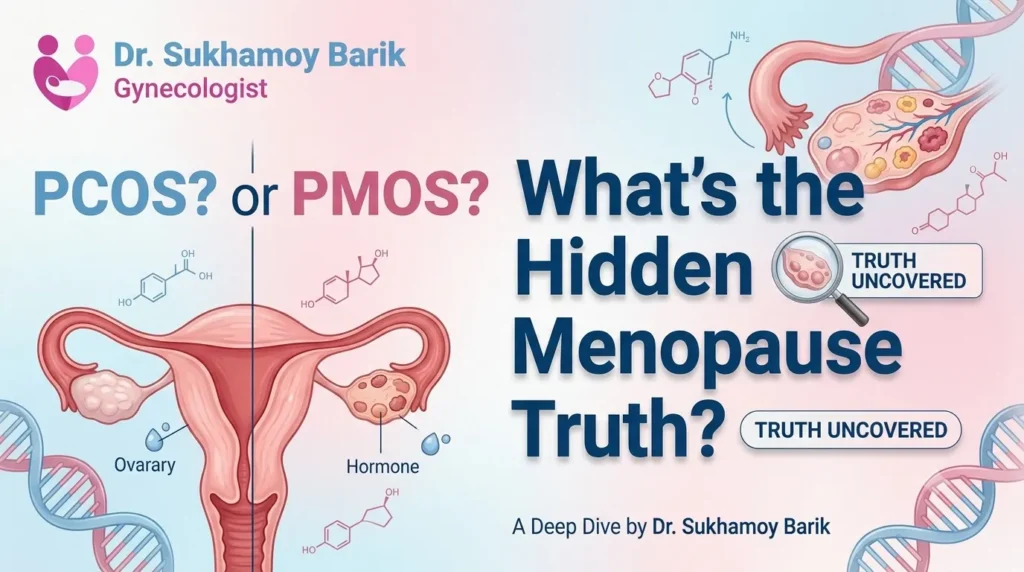
Polycystic Ovary Syndrome (PCOS) is often associated with younger women, but its effects do not always disappear after menopause. While menstrual irregularities stop, many women continue to experience metabolic, cardiovascular, and hormonal challenges. This evolving understanding has led to discussions around PMOS (Post-Menopausal Ovarian Syndrome)—a term used by some experts to describe the persistence of PCOS-related health risks after menopause. Although PMOS is not an officially recognised medical diagnosis, it helps explain why women with a history of PCOS require continued medical attention during perimenopause and menopause.
Consulting the Best PCOS Treatment Doctor in Kolkata ensures comprehensive evaluation, personalised treatment, and long-term monitoring during this life stage.
| Feature | PCOS | PMOS (Post-Menopausal Ovarian Syndrome) |
| Menstrual Cycles | Irregular or absent | Menstruation has stopped |
| Ovulation | Often irregular | Ovaries no longer ovulate |
| Fertility Issues | Common | No longer applicable |
| Androgen Levels | Often elevated | May remain relatively high in some women |
| Insulin Resistance | Common | May persist |
| Diabetes Risk | Increased | Remains increased |
| Cardiovascular Risk | Elevated | Often continues after menopause |
| Treatment Focus | Hormonal balance and fertility | Metabolic health and menopause management |
PMOS refers to the persistence of metabolic and hormonal effects associated with PCOS after menopause. While ovarian function declines, insulin resistance, abdominal obesity, abnormal cholesterol levels, and cardiovascular risks may remain.
Important Note: PMOS is a descriptive term used in some medical discussions and research. It is not currently an official diagnostic condition in major international clinical guidelines.
Menopause ends reproductive cycles, but it does not erase the long-term health effects of PCOS.
Women with a history of PCOS may continue to face:
Regular follow-up with a gynecologist for PCOS after menopause helps identify and manage these risks early.
Perimenopause is the transition before menopause, during which hormone levels fluctuate significantly.
These symptoms may overlap with PCOS, making specialist assessment essential.
Although menstrual symptoms disappear, other concerns may persist.
After menopause, hormone-related reproductive concerns decline, but metabolic health becomes increasingly important.
Early intervention reduces long-term complications.
The Best PCOS Treatment Doctor in Kolkata provides personalised care based on your age, symptoms, medical history, and metabolic health.
The best gynecologist in North Kolkata offers comprehensive women’s healthcare across every stage of life.
Healthy habits play a major role in reducing long-term risks.
Choose:
Limit:
Aim for at least 150 minutes of moderate exercise weekly.
Maintain a Healthy Weight
Even modest weight loss can improve metabolic health.
Prioritise Sleep
Quality sleep supports hormone balance, blood sugar control, and emotional well-being.
Manage Stress
Yoga, meditation, mindfulness, and counseling can help reduce chronic stress.
Early consultation allows timely intervention and preventive care.
Dr. Sukhamoy Barik provides comprehensive care for women transitioning through perimenopause and menopause, including those with a history of PCOS.
Menopause Management
These interconnected topics strengthen topical authority around PCOS, menopause, and long-term women’s health. Check Patient’s Testimonial: https://drsukhamoybarik.com/testimonials
What is PMOS after menopause?
PMOS (Post-Menopausal Ovarian Syndrome) is an informal term used by some experts to describe the ongoing metabolic and hormonal health risks that may persist in women with a history of PCOS after menopause. It is not an officially recognised medical diagnosis.
What is PMOS and how is it different from PCOS?
PCOS primarily affects reproductive-age women with ovulation and menstrual irregularities. PMOS refers to the continued metabolic consequences of PCOS after menopause, when menstrual cycles have permanently stopped.
Should women with PCOS see a gynecologist after menopause?
Yes. A gynecologist for PCOS after menopause can monitor metabolic health, cardiovascular risk, bone health, and menopausal symptoms while providing personalized preventive care.
When should I schedule a menopause specialist appointment?
You should schedule a menopause specialist appointment if you experience bothersome menopausal symptoms, unexplained weight gain, persistent fatigue, elevated blood sugar, or have a history of PCOS requiring ongoing monitoring.
Why consult the Best PCOS Treatment Doctor in Kolkata?
The Best PCOS Treatment Doctor in Kolkata offers expert evaluation, long-term monitoring, lifestyle guidance, and personalised treatment to manage the ongoing health effects associated with PCOS before and after menopause.
PCOS does not necessarily end with menopause, and many women continue to face metabolic and cardiovascular health challenges. Although PMOS is not an official diagnosis, it highlights the importance of ongoing care. Dr. Sukhamoy Barik provides evidence-based, personalised management to support healthy ageing, helping women navigate perimenopause and menopause with confidence through comprehensive monitoring and preventive care. Check our Address visit the map link: https://maps.app.goo.gl/jBzoHsQtP4DXfHdy8