


6 April, 2026
By User
Hello Reader!
Welcome to the blog page of Dr Sukhamoy Barik, one of the best gynecologist in North Kolkata.
As people grow older, every system in the body changes—including the reproductive system. While ageing is a natural biological process, its impact on fertility, hormonal balance, pregnancy, and sexual health is often misunderstood. Understanding the connection between Ageing and Reproduction is essential for both women and men, especially in today’s world where many individuals are choosing to delay parenthood for education, career, financial stability, or personal reasons.
In this detailed guide, we will explore how age affects reproductive health, fertility, pregnancy outcomes, and overall well-being. If you are planning a family or simply want to understand your body better, this blog will help you make informed decisions. For personalized reproductive guidance, consulting the Best Gynecologist in North Kolkata can be a crucial step toward proactive care.

The term Ageing and Reproduction refers to the biological changes that occur in the reproductive system as a person ages. These changes are most noticeable in women because female fertility is closely tied to the number and quality of eggs present in the ovaries. However, ageing also affects male fertility, hormone production, sexual health, and reproductive outcomes.
Ageing influences:
Understanding Ageing and Reproduction is not about creating fear—it is about increasing awareness so that reproductive choices can be made at the right time and with the right medical support.
A woman is born with all the eggs she will ever have. Over time, both the quantity and quality of these eggs decline, which directly affects fertility and pregnancy outcomes.
The 20s are generally considered the peak reproductive years for women.
During this period:
Although fertility is usually strongest in this age group, lifestyle factors such as stress, obesity, PCOS, smoking, poor nutrition, and untreated infections can still affect conception. Even in the 20s, understanding Ageing and Reproduction helps women make informed decisions about their reproductive future.
In the early 30s, fertility usually remains good, but subtle biological changes begin to appear.
These may include:
Many women conceive naturally in their 30s and have healthy pregnancies. However, this is also the age when fertility preservation and reproductive planning become increasingly relevant. Consulting the Best Gynecologist in North Kolkata can help assess ovarian health and discuss future pregnancy planning.
Age 35 is often considered a key milestone in reproductive medicine because fertility decline tends to become more noticeable after this age.
Women over 35 may experience:
This does not mean pregnancy is impossible after 35. Many women conceive naturally or with medical support. However, understanding Ageing and Reproduction becomes especially important in this phase.
After 40, reproductive changes become more significant.
Common concerns include:
At this stage, fertility treatment options such as ovulation support, IVF, or donor egg programs may sometimes be discussed depending on the individual situation. Seeking guidance from the Best Gynecologist in North Kolkata can help in understanding the most suitable path forward.
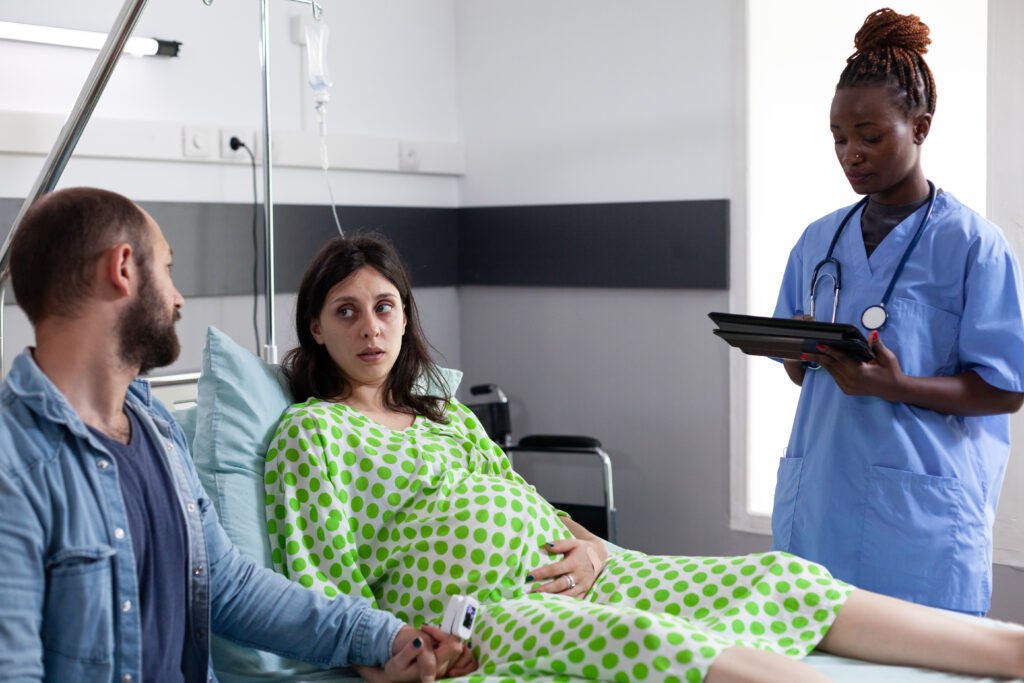
One of the most important concepts in Ageing and Reproduction is ovarian reserve. Ovarian reserve refers to the number of eggs remaining in the ovaries.
Doctors may assess ovarian reserve using:
A lower ovarian reserve does not always mean immediate infertility, but it can indicate reduced reproductive potential. Testing is especially useful for women planning delayed pregnancy, fertility preservation, or treatment for infertility.
Menstrual health provides important clues about reproductive function. As women age, menstrual patterns may begin to change.
Possible changes include:
These changes can occur during the years leading up to menopause, known as perimenopause. Monitoring cycle changes is an important part of understanding Ageing and Reproduction.
Age does not prevent pregnancy, but it can increase the chances of certain complications. This is why pregnancies at advanced maternal age often require closer medical monitoring.
Possible age-related pregnancy risks include:
Despite these concerns, many women above 35 and even above 40 have healthy pregnancies with good prenatal care. Early consultation with the Best Gynecologist in North Kolkata can significantly improve pregnancy planning and outcomes.
Hormones play a central role in reproductive health. As women age, hormonal patterns begin to shift, affecting fertility, menstrual cycles, mood, metabolism, and sexual health.
Key hormones involved include:
With age:
These hormonal changes are a normal part of Ageing and Reproduction, but medical support can help manage symptoms and preserve quality of life.
Also Read: How Endometriosis Affects Your Fertility: What Every Woman Should Know

Menopause marks the permanent end of menstruation and natural fertility. It is diagnosed after 12 consecutive months without a menstrual period.
The average age of menopause is usually around 45–55 years, though it may occur earlier or later in some women.
Menopause is a natural transition, but it can affect physical and emotional health. Understanding this stage is essential when discussing Ageing and Reproduction.
Yes, pregnancy is still possible during perimenopause if ovulation is still occurring, even if periods are irregular. Many women mistakenly assume that irregular cycles mean complete loss of fertility, which is not always true.
This is why:
This is another reason why discussions around Ageing and Reproduction are important even before menopause officially begins.
In recent years, fertility preservation has become an important topic for women who wish to delay childbearing.
These options may be considered by women who:
Awareness about fertility preservation is a valuable part of understanding Ageing and Reproduction in today’s era.
While female fertility decline is more widely discussed, ageing also affects men’s reproductive health.
Although men can remain fertile for much longer, advancing paternal age has also been associated with certain fertility and pregnancy-related concerns. So Ageing and Reproduction is not only a women’s health topic—it is a couple’s health issue.
Age is not the only factor that affects fertility. Lifestyle choices can accelerate or slow the impact of reproductive ageing.
A healthy lifestyle cannot stop ageing, but it can support better reproductive function and overall well-being.
You should consider consulting a specialist if you are experiencing:
Speaking to the Best Gynecologist in North Kolkata can help identify reproductive concerns early and guide you with the right tests, treatment options, and planning strategies.
One of the biggest challenges in reproductive health today is lack of awareness. Many people are unaware of how significantly age can affect fertility until they begin trying to conceive.
Early awareness about Ageing and Reproduction can help with:
Knowledge gives you options—and in reproductive health, timing often matters.
Reproductive ageing can also have a strong emotional effect. Feelings of stress, fear, disappointment, confusion, or guilt are common in individuals or couples facing fertility challenges or age-related concerns.
It is important to remember:
Compassionate guidance from the Best Gynecologist in North Kolkata can make this journey more informed, supportive, and hopeful.

Female fertility generally starts to decline gradually after the late 20s and more noticeably after 35.
Yes, many women conceive naturally after 35, but fertility may decline and pregnancy may need closer monitoring.
Yes, age can affect sperm quality, motility, and reproductive health in men as well.
Ovarian reserve refers to the number of eggs remaining in a woman’s ovaries and is an important part of fertility assessment.
Natural conception becomes highly unlikely after menopause, but options like donor egg IVF may still be discussed in some cases.
Ageing and Reproduction is a deeply important topic that affects fertility, hormonal balance, pregnancy planning, and overall health. While ageing is natural, understanding its impact on reproduction empowers individuals to make better decisions for their bodies and future.
Whether you are in your 20s and planning ahead, in your 30s and thinking about family planning, or navigating fertility and menopause later in life, awareness is your greatest strength. The earlier you understand the science of Ageing and Reproduction, the more choices and confidence you can have in your reproductive journey.
If you have concerns about fertility, hormonal changes, menstrual health, or reproductive planning, do not delay seeking expert guidance. A consultation with the Best Gynecologist in North Kolkata can help you take the right step at the right time.