


1 October, 2026
By User
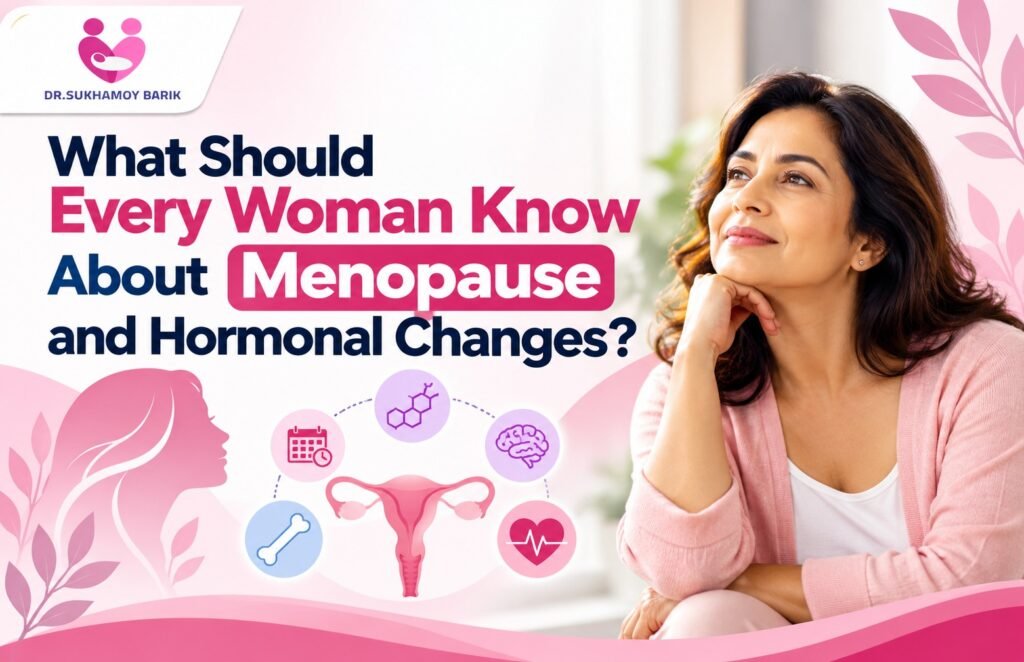
Menopause is a natural stage of a woman’s life that marks the end of menstrual periods and reproductive years. Although it is a normal biological transition, the hormonal changes associated with menopause can affect the body, emotions, sleep, menstrual cycle, bones, heart health, and overall quality of life. Understanding these changes can help women recognize what is normal, identify symptoms that need medical attention, and make informed decisions about their health.
The transition usually begins with perimenopause, when hormone levels start fluctuating and menstrual cycles may become irregular. Menopause is generally confirmed after a woman has gone 12 consecutive months without a menstrual period, provided there is no other medical explanation. Every woman experiences this transition differently, and symptoms can range from very mild to more noticeable.
Consulting a qualified gynaecologist can provide personalized guidance during this important stage. Women looking for a Best Gynaecologist in North Kolkata can consider professional evaluation for persistent or troublesome menopausal symptoms.

Menopause occurs primarily because the ovaries gradually produce less estrogen and progesterone. These hormones influence menstruation, reproductive health, bone strength, vaginal tissues, mood, and several other body functions.
The menopausal transition generally occurs in stages:
Perimenopause is the period before menopause when ovarian hormone production begins to change. Periods may become shorter, longer, heavier, lighter, or irregular. Some women experience hot flashes, sleep disturbances, mood changes, or vaginal dryness during this stage.
Menopause is reached when a woman has not had a menstrual period for 12 consecutive months. The average age varies between populations, and individual timing can differ.
The years following menopause are known as postmenopause. Some symptoms may improve with time, while others can continue and may require appropriate management.
Hormonal changes do not affect every woman in the same way. Common symptoms include:
Symptoms can sometimes overlap with other health conditions. Therefore, persistent or unusual symptoms should not automatically be attributed to menopause.

Estrogen plays an important role in several areas of women’s health. As estrogen levels decline, some women may experience changes in vaginal and urinary tissues. Lower estrogen levels can also contribute to changes in bone density over time.
This is why menopause is not simply about the end of menstruation. It is an important period for reviewing overall health, including nutrition, physical activity, sleep, bone health, cardiovascular risk factors, and mental well-being.
Women with existing medical conditions or a family history of certain diseases may require individualized assessment.
Irregular periods are common during perimenopause. However, not every change in menstrual bleeding should be considered a normal part of menopause.
Very heavy bleeding, bleeding that continues for an unusually long time, bleeding between periods, or bleeding after menopause should be discussed with a healthcare professional.
Women experiencing persistent Menstrual Disorders in North Kolkata can benefit from a proper gynaecological evaluation to determine the underlying cause rather than assuming that hormonal changes are responsible.

Estrogen contributes to maintaining bone strength. After menopause, reduced estrogen levels can accelerate bone loss in some women.
Women can support bone health through:
A balanced diet containing appropriate sources of calcium can support healthy bones.
Vitamin D helps the body absorb calcium. Sunlight exposure, dietary sources, and supplementation when medically recommended can contribute to maintaining adequate vitamin D levels.
Walking, resistance exercises, and other suitable physical activities can help support bones and muscles.
Women with risk factors for osteoporosis may need a clinical assessment and, where appropriate, a bone density evaluation.
Menopause itself is not a disease, but cardiovascular risk factors can become increasingly important as women age. Blood pressure, blood sugar, cholesterol, body weight, smoking status, physical activity, and family history all contribute to cardiovascular health.
Regular health check-ups can help identify and manage these risk factors early.

Hot flashes can be uncomfortable and may interfere with sleep and daily activities. Some women find it helpful to identify personal triggers such as excessive heat, spicy foods, caffeine, alcohol, stress, or warm environments.
Helpful lifestyle measures may include:
When symptoms are frequent or significantly affect quality of life, a gynaecologist can discuss appropriate treatment options.
Reduced estrogen may cause vaginal dryness, irritation, discomfort during intercourse, or urinary symptoms in some women. These symptoms are common but should not be ignored if they affect comfort or daily life.
A healthcare professional can determine whether symptoms are related to menopause or another condition and recommend appropriate management.

Hormonal fluctuations, sleep disruption, family responsibilities, lifestyle changes, and other factors can influence emotional well-being during the menopausal transition.
Women may experience irritability, anxiety, low mood, or difficulty concentrating. Good sleep, regular exercise, social support, relaxation practices, and professional help when needed can be beneficial.
Severe or persistent emotional symptoms deserve proper medical attention rather than being dismissed as simply “part of menopause.”
Professional evaluation is especially important when a woman experiences:
A Best Gynaecologist in North Kolkata can assess symptoms, medical history, menstrual history, medications, family history, and relevant risk factors before suggesting appropriate investigations or treatment.

Dr. Sukhomoy Barik provides women-focused gynaecological care with attention to individual symptoms, medical history, and long-term reproductive and general health.
For women seeking a Best Gynaecologist in North Kolkata, a patient-centred approach can help address concerns ranging from menstrual problems and reproductive health to pregnancy care and menopausal changes.
The goal of consultation is not simply to treat a symptom but to understand its possible cause and develop an appropriate care plan based on the woman’s individual needs.

Women experiencing hot flashes, irregular bleeding, vaginal dryness, sleep difficulties, or other menopause-related concerns can seek professional evaluation. Management may include lifestyle guidance, symptom management, appropriate investigations, and discussion of treatment options where indicated.
Irregular, painful, heavy, or unusual periods can have several possible causes. Proper assessment can help identify hormonal, structural, or other underlying problems.
Polycystic ovary syndrome can affect menstrual cycles, ovulation, metabolism, skin, and fertility. Individualized management may include lifestyle changes, menstrual regulation, metabolic assessment, and fertility-related care when required.
Women and couples experiencing difficulty conceiving may require evaluation of ovulation, reproductive anatomy, medical history, and other fertility factors. Appropriate investigations can help guide treatment.
Repeated pregnancy loss can be emotionally and physically challenging. A structured medical evaluation may help identify possible contributing factors and guide future pregnancy planning.
Regular pregnancy check-ups help monitor maternal and fetal well-being. Antenatal care may include clinical assessments, appropriate investigations, ultrasound monitoring, nutritional guidance, and identification of pregnancy-related risks.
Certain medical conditions, previous pregnancy complications, multiple pregnancies, advanced maternal age, or other factors can require closer monitoring during pregnancy. Individualized care helps address these risks appropriately.
Every pregnancy and delivery is different. Appropriate antenatal preparation, monitoring, pain-management options, and timely medical decision-making can support a safe and positive childbirth experience.
Some gynaecological conditions may require surgical treatment when medication or conservative management is not appropriate.
Abdominal hysterectomy involves removing the uterus through an abdominal incision. It may be considered for certain uterine conditions depending on the woman’s symptoms, diagnosis, and overall health.
Vaginal hysterectomy involves removing the uterus through the vagina. Suitability depends on factors such as the condition being treated, uterine size, anatomy, and the patient’s medical history.
Laparoscopic hysterectomy is a minimally invasive surgical approach that uses small abdominal incisions and specialized instruments. When appropriate, it may offer benefits such as smaller incisions and potentially faster recovery compared with some open procedures.
This procedure may be used to remove selected ovarian cysts while preserving healthy ovarian tissue when clinically appropriate.
Laparoscopic myomectomy is a minimally invasive technique used to remove selected uterine fibroids while preserving the uterus. Suitability depends on fibroid size, location, number, symptoms, and other clinical factors.
Hysteroscopic surgery allows a doctor to examine and treat certain conditions inside the uterus using a specialized instrument inserted through the vagina and cervix. It may be used for selected conditions such as certain uterine polyps or fibroids.
There is no single menopause experience that applies to every woman. Age, symptoms, medical history, family history, medications, lifestyle, and personal preferences can influence healthcare decisions.
A trustworthy gynaecological consultation should involve clear communication, appropriate examination, evidence-based recommendations, and an opportunity for the patient to ask questions.
Women should also be cautious about starting hormonal medicines, supplements, or herbal products without professional advice. Treatment decisions should consider both potential benefits and possible risks.

Choosing a Best Gynaecologist in North Kolkata should involve more than searching for a title. Women can consider factors such as relevant qualifications, clinical experience, clear communication, appropriate diagnostic evaluation, transparent treatment discussions, and continuity of care.
At Dr. Sukhomoy Barik’s practice, women’s concerns can be discussed in a supportive environment where individual symptoms and health goals are considered before treatment decisions are made.
Menopause can also be an opportunity to focus on long-term health.
Include vegetables, fruits, whole grains, adequate protein, healthy fats, and suitable calcium and vitamin D sources.
Regular aerobic activity combined with strength and balance exercises can support cardiovascular, muscular, and bone health.
Maintaining consistent sleep and addressing persistent sleep problems can improve overall well-being.
Breathing exercises, yoga, meditation, hobbies, social connection, and other healthy coping strategies may support emotional well-being.
Regular healthcare visits can help monitor blood pressure, blood sugar, cholesterol, bone health, and other age-related health considerations.

Menopause is natural, but unusual symptoms should not be ignored. Any bleeding after menopause requires medical evaluation. Similarly, severe pelvic pain, unexplained weight loss, persistent abnormal bleeding, or other concerning symptoms should be discussed with a qualified healthcare professional.
Early evaluation can help distinguish normal menopausal changes from conditions that may require treatment.
Menopause is the stage when a woman permanently stops having menstrual periods because of the natural decline in ovarian reproductive function. It is generally confirmed after 12 consecutive months without menstruation when no other cause explains the absence of periods.
Perimenopause is the transitional period before menopause. During this stage, hormone levels fluctuate and women may experience irregular periods, hot flashes, sleep problems, mood changes, and other symptoms.
Yes. Hot flashes are among the common symptoms associated with the menopausal transition. However, frequent or severe symptoms that affect daily life should be discussed with a healthcare professional.
Bleeding after menopause should be medically evaluated. It may have several causes, and determining the cause requires appropriate assessment.
Yes. Lower estrogen levels after menopause can contribute to increased bone loss in some women. A balanced diet, appropriate physical activity, and medical evaluation when indicated can support bone health.
No. Hormone therapy is not automatically required for every woman experiencing menopause. Treatment depends on symptoms, medical history, risk factors, age, and individual circumstances. A qualified healthcare professional can discuss whether it is appropriate.
Yes. Hot flashes, night sweats, hormonal changes, stress, and other factors can contribute to sleep difficulties. Persistent sleep problems should be discussed with a healthcare professional.
Consider consultation when menopausal symptoms become difficult to manage, menstrual bleeding becomes unusually heavy or prolonged, bleeding occurs after menopause, or symptoms significantly affect sleep, comfort, work, or quality of life.
Menopause is a natural transition, but it is also an important stage for proactive women’s healthcare. Understanding hormonal changes, recognizing common symptoms, maintaining healthy lifestyle habits, and seeking professional advice when symptoms are unusual or disruptive can help women navigate this phase with greater confidence.
From Menopausal Problems in North Kolkata and menstrual concerns to pregnancy care, infertility management, PCOD/PCOS care, and selected gynaecological procedures, personalized medical guidance can help women make informed healthcare decisions.
If you are experiencing menopause-related symptoms or have concerns about your menstrual or reproductive health, consider scheduling a consultation with Dr. Sukhomoy Barik for an individualized assessment and appropriate guidance.